High-Performance Rigid PIR Loft Insulation in Enfield
High-Efficiency Rigid PIR Insulation Systems Designed for Maximum Loft Thermal Performance
High-Performance PIR Boards • Accurate Loft Installation • Built for Long-Term Efficiency
High-Efficiency Rigid PIR Insulation Systems Designed for Maximum Loft Thermal Performance
High-Performance PIR Boards • Accurate Loft Installation • Built for Long-Term Efficiency
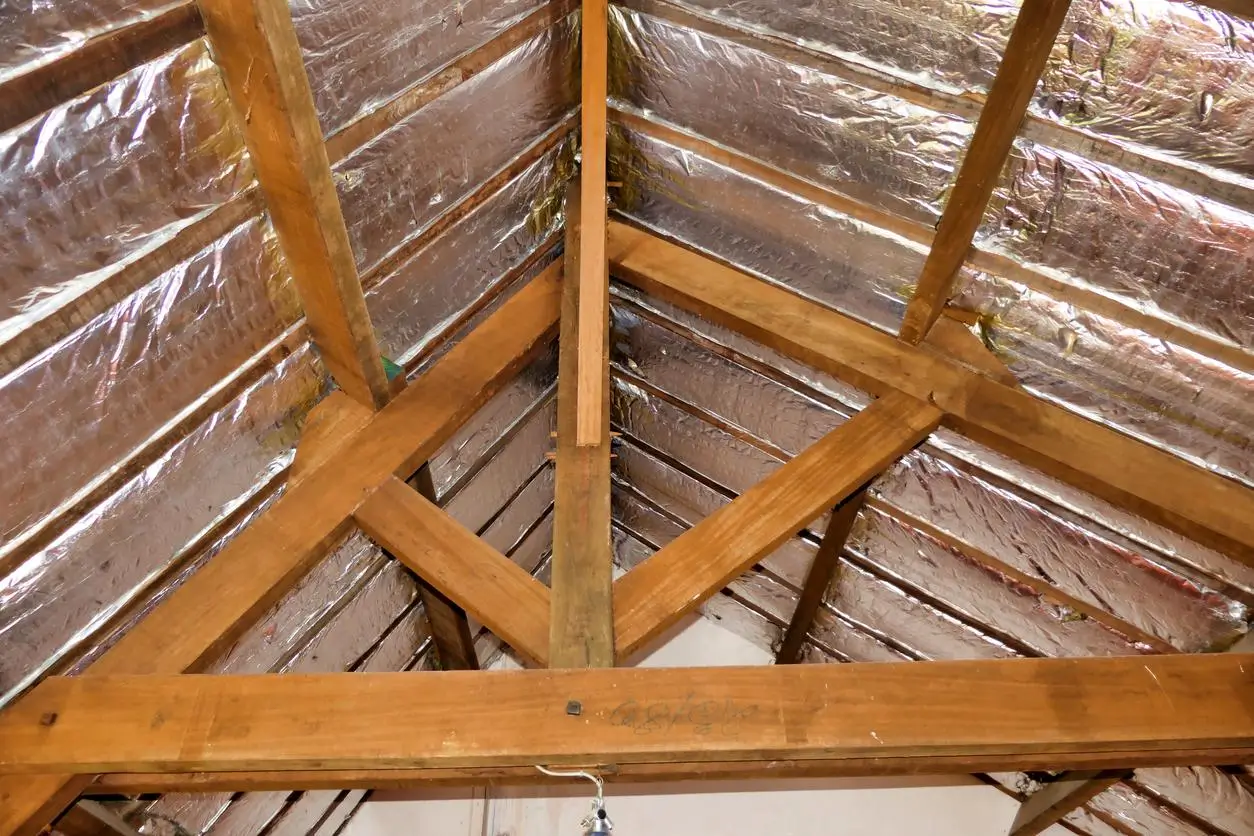
In many modern insulation systems, rigid PIR boards are used where a more controlled and engineered insulation approach is required. The rigid structure of the board allows installers to position insulation precisely between rafters or above joists, creating a consistent thermal barrier across the roof area.
In many properties, rigid PIR boards are chosen when homeowners want to upgrade roof insulation without significantly reducing loft space. Their higher insulation value per thickness means the same thermal improvement can often be achieved with a much slimmer insulation layer.
When installed correctly, rigid PIR insulation boards can significantly improve the thermal efficiency of a loft space. By reducing heat loss through the roof structure, they help stabilise indoor temperatures and improve the overall energy performance of the property.
In many Enfield homes, mineral wool insulation remains the most common solution. However, rigid PIR boards become the better option when loft layout, rafter depth, or intended room use requires a higher performance insulation system within a thinner profile.
If the loft floor has enough space for deep insulation layers, mineral wool often remains the most straightforward approach. PIR insulation tends to be chosen when space restrictions make thicker insulation difficult to install.
Before installing PIR boards, we consider the full roof structure, including ventilation pathways, rafter spacing, and existing insulation levels. This helps ensure the insulation system chosen delivers long-term thermal performance without introducing moisture risks.
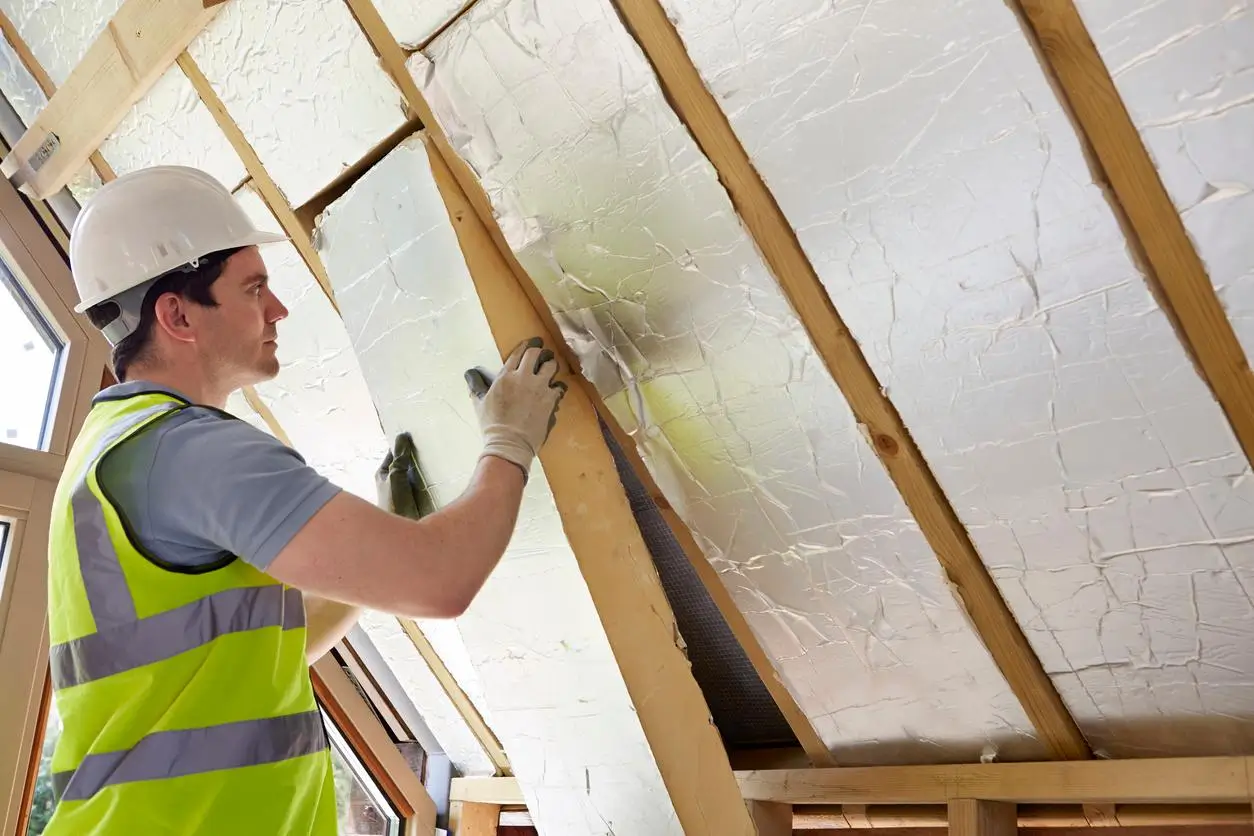
Unlike traditional loft insulation rolls, rigid PIR boards rely on precise cutting and tight installation. Each board must fit closely within the roof structure so that the insulation layer remains continuous and does not allow heat to escape through gaps.
A well-installed PIR insulation system improves energy efficiency by limiting heat transfer through the roof. Maintaining airflow within the loft space also helps control moisture levels and protects the roof structure long-term
Rigid PIR insulation boards are designed to achieve strong thermal performance while maintaining a relatively slim profile. This makes them suitable for loft spaces where headroom or rafter depth limits how much insulation can be installed without affecting the structure.
When PIR insulation boards are fitted accurately within the loft structure, they can help deliver:
For PIR insulation to deliver its full performance potential, installation must be carried out carefully. Proper board fitting, airflow management, and structural compatibility all influence how effectively the roof retains heat over time.
Rigid PIR insulation installations in Enfield homes often involve more than simply adding insulation boards. When roof structures are upgraded or loft spaces are converted, Building Regulations set clear thermal performance targets that must be considered.
The performance of roof insulation is usually measured using U-values. These values show how much heat can travel through a roof assembly, making them an important factor when designing insulation systems.
Rigid PIR insulation boards are frequently used in roof systems because they provide strong thermal resistance without requiring excessive material thickness.
In many roof designs, PIR boards allow installers to reach insulation targets while still maintaining usable loft space.
Achieving compliance involves more than selecting the correct insulation board. Proper installation methods, ventilation strategy and moisture control are all essential.
Rigid PIR insulation delivers excellent thermal performance, but only when boards are installed accurately. Incorrect fitting or rushed installation can quickly reduce insulation efficiency.
When PIR boards are installed incorrectly, the following problems are often present:
Unlike mineral wool roll insulation, PIR boards must be measured and fitted precisely to achieve their rated performance.
When installed properly, rigid PIR insulation delivers excellent long-term performance. When installed poorly, it can create cold bridging, trapped moisture, and disappointing energy savings.
That’s why we assess the loft layout, rafter depth, and ventilation setup before recommending a board thickness or installation method — ensuring your Enfield property benefits from the performance PIR insulation is designed to provide.
Yes. PIR boards are often installed during roof renovations or loft conversions where improved insulation performance is required.
Boards must fit tightly within the roof structure to prevent gaps that allow heat to bypass the insulation layer.
Many roof insulation systems include vapour control layers alongside PIR boards to manage moisture movement within the roof structure.
By reducing heat transfer through the roof structure, PIR insulation helps maintain more stable indoor temperatures.
Because PIR delivers strong insulation performance in a thinner profile, it is often chosen where rafter depth or headroom is limited.