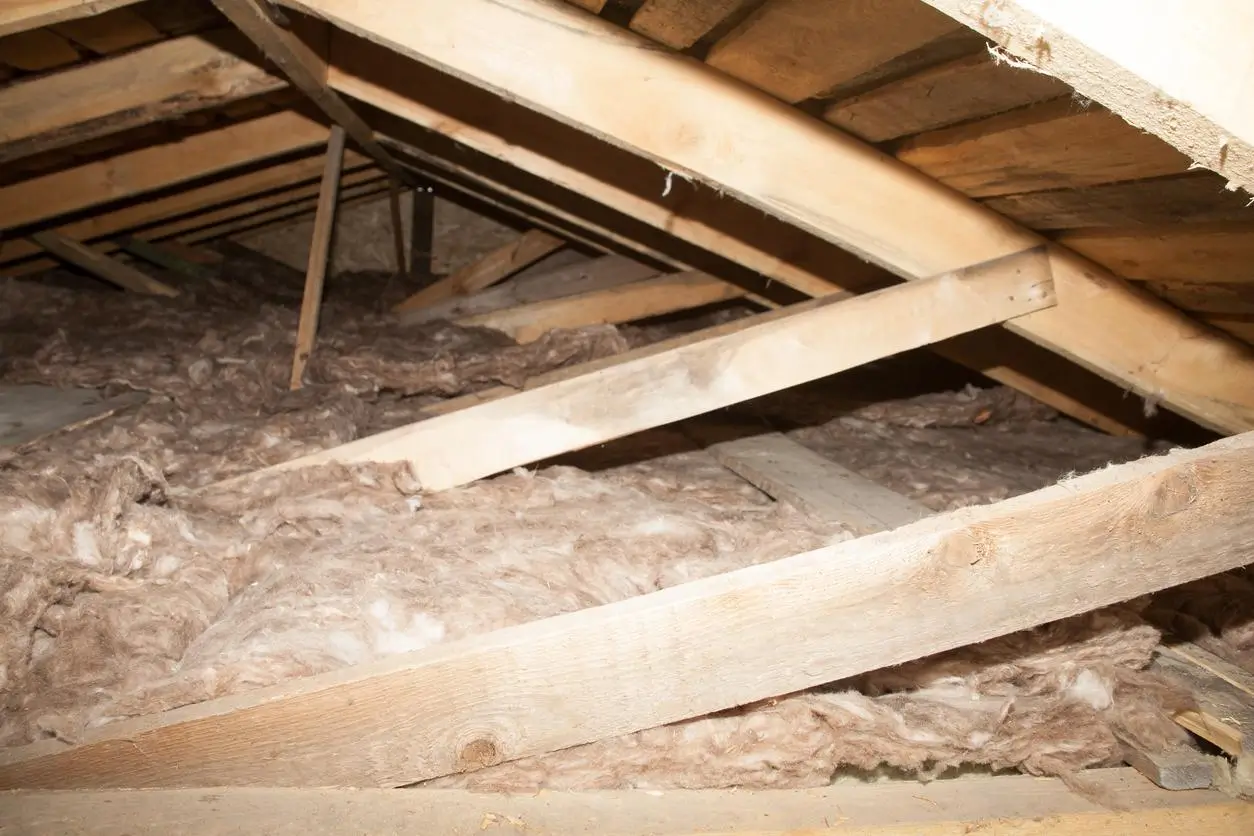
Increase the depth of your current loft insulation and improve thermal performance without replacing what’s already working.
Improved Insulation Depth • Lower Heat Loss • Consistent Performance
Call for a Top-Up Insulation QuoteIt’s very common for homes across Enfield to have insulation present in the loft — but not enough of it. Historic installations were often fitted at much lower depths than current recommendations.
A loft insulation top-up improves the existing installation by increasing insulation thickness across the loft surface, helping the home retain warmth more efficiently.
When the existing insulation layer is still dry and properly positioned, increasing its depth is often the most practical way to improve loft thermal performance. Rather than stripping everything back, a controlled top-up allows the loft to reach modern insulation levels while maintaining the integrity of the original installation.
When assessing loft insulation across Enfield, it’s common to find a mixture of historic materials, uneven layers and areas where insulation depth falls short of modern expectations.
Proper loft insulation installation involves building depth evenly across the entire loft surface rather than stacking material in isolated areas.
The focus during every installation remains consistent regardless of where the property sits across North London.
A well-installed loft insulation top-up works passively in the background, improving energy efficiency without requiring ongoing maintenance.
A shallow insulation layer can allow significant heat to escape through the roof structure. A loft insulation top-up adds additional thermal resistance above the ceiling line, improving overall heat retention.
By improving the thermal barrier above your ceilings, a loft insulation top-up helps your home retain warmth for longer periods. This can reduce the need for repeated heating cycles during winter.
Full insulation replacement isn’t always necessary when existing materials are still performing structurally. By increasing insulation depth instead, a loft top-up provides a practical and economical improvement.
Loft spaces across Enfield vary significantly depending on the age and structure of the property. Some roofs contain older insulation that has shifted or thinned over time, while others simply fall short of the depth now recommended for effective thermal performance.
To upgrade insulation properly, additional layers are installed evenly across the loft floor rather than concentrated in certain areas. Care is taken around eaves, access points and service pipes so that insulation depth increases without interfering with ventilation or structural elements.
Across the wider North London, effective insulation upgrades always depend on consistent coverage across the loft floor while maintaining ventilation routes within the roof structure.
Over time this allows the property to retain warmth more efficiently without changing how the loft space is used day to day.
In situations where the current insulation layer is still dry and stable but thinner than modern recommendations, increasing the depth can dramatically improve heat retention. This approach allows existing materials to continue performing while strengthening the loft’s overall insulation level.
For this reason, the condition of the existing insulation always needs to be assessed first. If the material has deteriorated, become damp or been compressed under stored items or boarding, a full replacement may provide a more reliable long-term result.
In many loft spaces, insulation may be present but not evenly distributed. Areas with thinner insulation or small gaps around services can allow heat to escape far more easily than homeowners realise.
Increasing insulation depth is one of the most effective ways to improve loft thermal performance. A properly installed loft insulation top-up builds on the existing material, creating a thicker barrier across the loft floor that slows the movement of heat rising through the property.
Older homes across Enfield often rely on natural loft ventilation rather than mechanical airflow systems. For this reason, insulation top-ups must be installed carefully so ventilation openings along the roof edges remain unobstructed.
Balancing insulation depth with proper airflow ensures the loft performs efficiently while protecting the roof structure from condensation issues.
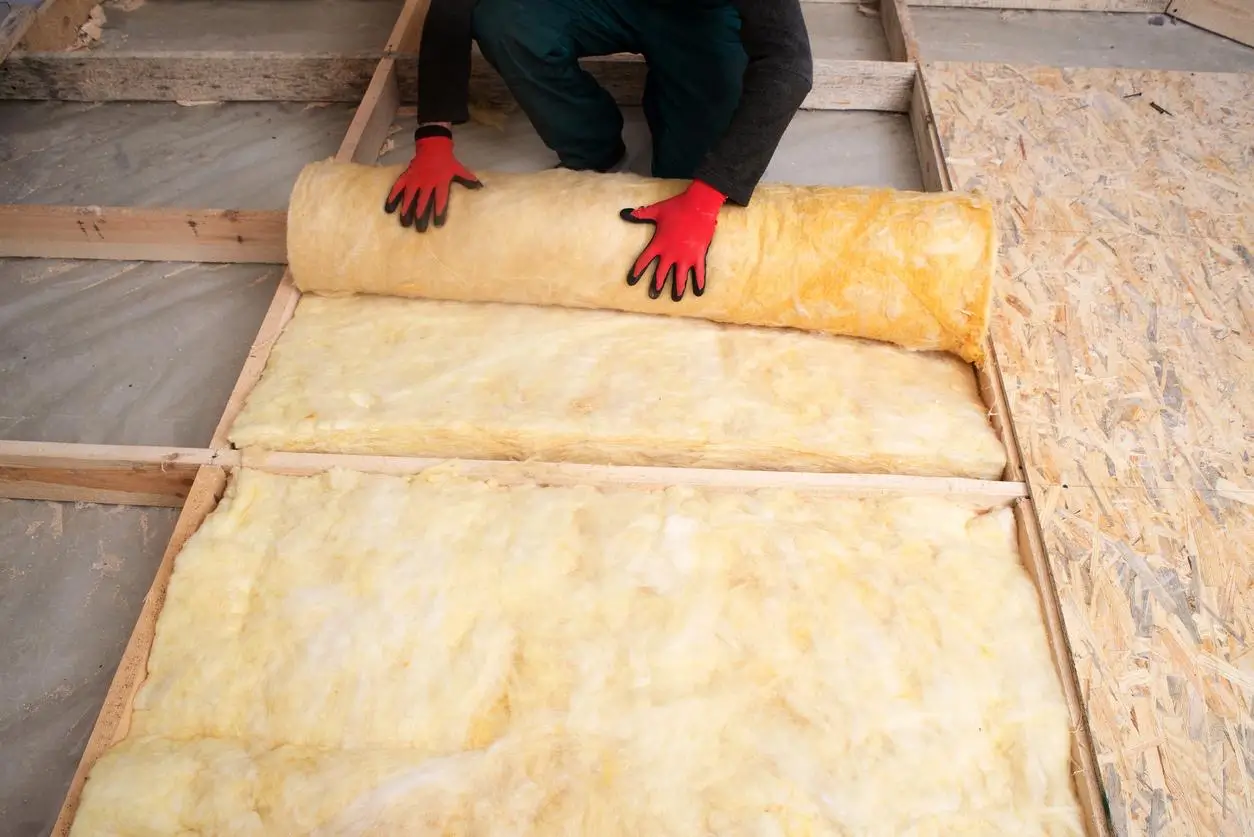
Warm air naturally rises, and without sufficient insulation it can pass through the ceiling and escape through the roof structure.
Most homes with accessible loft spaces can benefit from improved insulation depth.
Yes, but installation must be carried out carefully so insulation is not compressed or interfering with services.
Loft insulation usually requires very little maintenance once installed correctly.
When kept dry and undisturbed, loft insulation can remain effective for many years.